
Bend Bulletin: Lack of snow not a reason to panic yet, climatologist says
By Michael Kohn
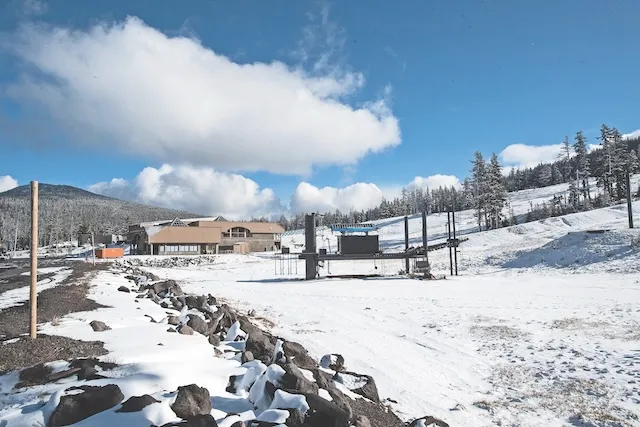
Lowland areas of Central Oregon remain snow-free and the mountaintops aren’t faring much better, with just a few inches of snow on the highest peaks. Yet the paltry amount of snow into mid-December, it’s still too soon to worry about this year’s total snowpack.
That’s the opinion of Oregon state climatologist Larry O’Neill, who says the start of the season can fluctuate annually. And even with a late start, there is still time to catch up with historic averages.
“We generally don’t start worrying about any snowpack deficiencies for water supply until about Jan. 1,” said O’Neill in an email. “For ski resorts, it will be about Dec. 15 since they need time to staff and prepare for Christmas break and they need a sufficient base to open.”
Strong snowpack early in the season sets the mountains up for a good year to provide ample water for reservoirs in spring and delay the start of wildfire season.
It’s also critical for this area’s economy because a large portion of the jobs in Central Oregon rely on tourists who come for winter sports or just enjoy winter scenery. Ski shops, restaurants, hotels and downtown businesses that cater to tourists are all impacted.
As of Tuesday, snowpack in the Upper Deschutes Basin was 7% of normal. That is the lowest on record for this time of year dating back to 1981, according to Matt Warbritton, supervisory hydrologist with Natural Resources Conservation Service.
Upper Deschutes precipitation for the water year, which began Oct. 1, is 67% of normal. “Despite some storms in the fall and early December, the Basin has remained fairly dry,” said Warbritton.
A weak La Niña pattern currently prevails over the Pacific Ocean. Last week, the World Meteorological Organization reported a 55% probability that the weak La Niña will continue until mid-February.
In general, La Niña favors above-normal snowfall and snowpack for the Cascades and the Ochoco mountains but there is variability from event to event, so not all La Niñas are going to produce above-normal snow, O’Neill said.
Central Oregon received a couple of early season storms that brought mountain snow — one on Oct. 12 and a second on Oct. 25 — but a lack of precipitation in November melted any accumulated snow.
“For the Upper Deschutes-Crooked River Basin SNOTEL stations, this is one of the latest starts to the snow season,” said O’Neill. “However, this is not the first time we’ve had a late start to the snow season during La Niña.”
O’Neill points out that in the winter of 2021-2022 — also a weak La Niña winter — Central Oregon didn’t get the first big accumulation until about the second week of December. But what started slow eventually turned into stronger than average precipitation.
“By Jan. 1 of that winter, the basin had a well above normal snowpack,” he said. He still holds out hope this year won’t end up like the winter of 2014-15 when there was record low snowfall across the West.
“That year, I remember that Willamette Pass ski resort tried opening for a week or two but it was a bust,” O’Neill said.
Read more at: https://bendbulletin.com/2025/12/09/lack-of-snow-not-a-reason-to-panic-yet-climatologist-says/
