
Where Things Stand: Oregon Water Conditions This March
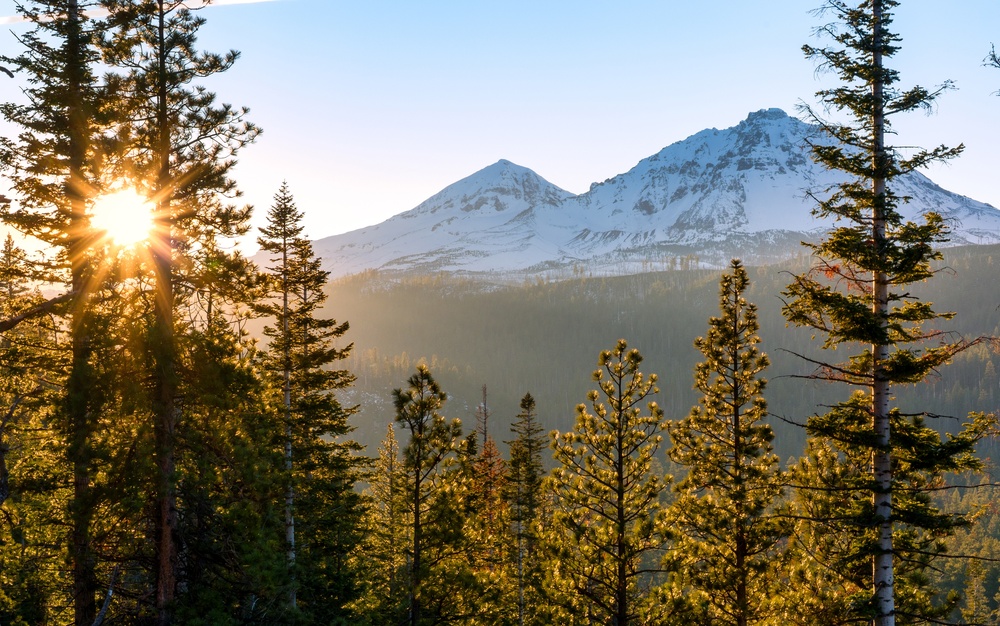
As we move through early March, a clearer picture of this year's water supply is coming into focus—and it's one that warrants close attention. Here's a data-driven look at where things stand across Oregon, with particular focus on the Deschutes Basin.
Snowpack Is Well Below Normal
Snowpack is the most important indicator of summer water supply in the West, and this year's numbers are deeply concerning. As of March 8, statewide snow water equivalent (SWE) is at just 29% of the historical median. Every single basin in Oregon is below normal, ranging from a low of 21% to a high of 46%.
Closer to home, the Upper Deschutes-Crooked basin is sitting at 27% of median. That is a significant deficit heading into the spring melt season, when mountain snowpack typically fuels streamflows and replenishes reservoirs that communities and ecosystems depend on through the dry summer months.
Drought Conditions Are Expanding
According to the U.S. Drought Monitor, over 20% of Oregon is now experiencing moderate drought(D1) and more than 4% is in severe drought (D2). Over the last two weeks, those moderate drought conditions have expanded into southeastern Oregon. One year ago, nearly the entire state was drought-free. That comparison underscores how quickly conditions have changed in the current water year.
Central Oregon falls within the D1 zone, meaning soil moisture deficits, reduced streamflows, and water supply stress are already being observed regionally.
Reservoir Storage: A Mixed Picture
Reservoir storage in the Deschutes Basin is currently in reasonable shape. Wickiup Reservoir — which holds water primarily for downstream irrigation — is 91% full, a relatively strong position heading into spring. Prineville Reservoir is at 70% full, also within a normal range for this time of year.
That relative stability reflects water managers' efforts to carry over supply from prior years and capture recent precipitation. However, with snowpack so far below average, there will be significantly less natural inflow to draw on later in the season. By contrast, the Umatilla Basin to the north is notably below normal at just 40% full, a reminder of how variable conditions are across the state.
Recent Precipitation and Temperature
February precipitation was normal to above normal across much of Oregon, with notable exceptions in parts of northeastern, northwestern, and central Oregon, where it came in below average. The problem is not a lack of winter rain—it is that temperatures have been running 2°F to 6°F above normal statewide, causing more precipitation to fall as rain rather than accumulate as snow.
That warm, wet pattern is less effective at building the snowpack that the region relies on asa slow-release water reservoir through summer.
What to Watch Going Forward
The seasonal climate outlook for March through May indicates a lean toward below-normal precipitation for southern Oregon, with equal chances of below, near, or above normal for the rest of the state. Above-normal temperatures are favored across much of the region.
With snowpack severely depleted, storage currently adequate but vulnerable, and a warm and potentially dry spring ahead, the Deschutes Basin faces a challenging path to summer. Oregon State Climatologist Larry O'Neill has called Oregon "the epicenter of the snow drought" in the West, and noted there is no realistic prospect of snowpack recovering to normal levels before the April 1peak date.
Winters like this one are becoming a more frequent feature of a changing climate — warmer temperatures mean more precipitation falls as rain rather than accumulating as snow, and the natural reservoir that mountain snowpack provides is shrinking.That makes water conservation more important than ever. Every acre-foot conserved today is water that remains available for rivers, fish, farms, and communities as the dry months ahead take hold.
It's also exactly why the work of the Deschutes River Conservancy matters. For decades, the DRChas brought together farmers, irrigation districts, agencies, and communities to find collaborative solutions — restoring streamflow, reducing water loss, and building the partnerships needed to balance competing demands on a river system that everyone depends on.
A drier future demands a more resilient water system. The DRC will continue monitoring conditions closely this season and working with partners across the basin to navigate what lies ahead. Your support makes that work possible.
Sources
- Oregon Water Resources Department, Oregon Water Conditions Report, March 9, 2026
- USDA Natural Resources Conservation Service, Snow Water Equivalent — Percent NRCS 1991–2020 Median, March 8, 2026
- US Bureau of Reclamation, Pacific Northwest Region, Major Storage Reservoirs in the Deschutes River Basin, March 11, 2026
- National Drought Mitigation Center, U.S. Drought Monitor — Oregon, March 3, 2026
- Kyle Odegard, Oregon's snowpack is second-worst on record, Capital Press, March 2026
