
Tracing the River’s Journey
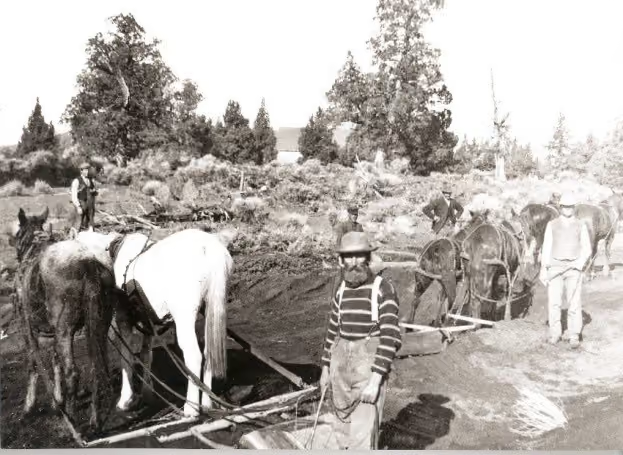
1913
Surface water rights in the Deschutes Basin are fully allocated with diversions leaving some streams dry.
1987
Oregon law recognizes instream water as a beneficial use, providing a foundation for protecting water instream.
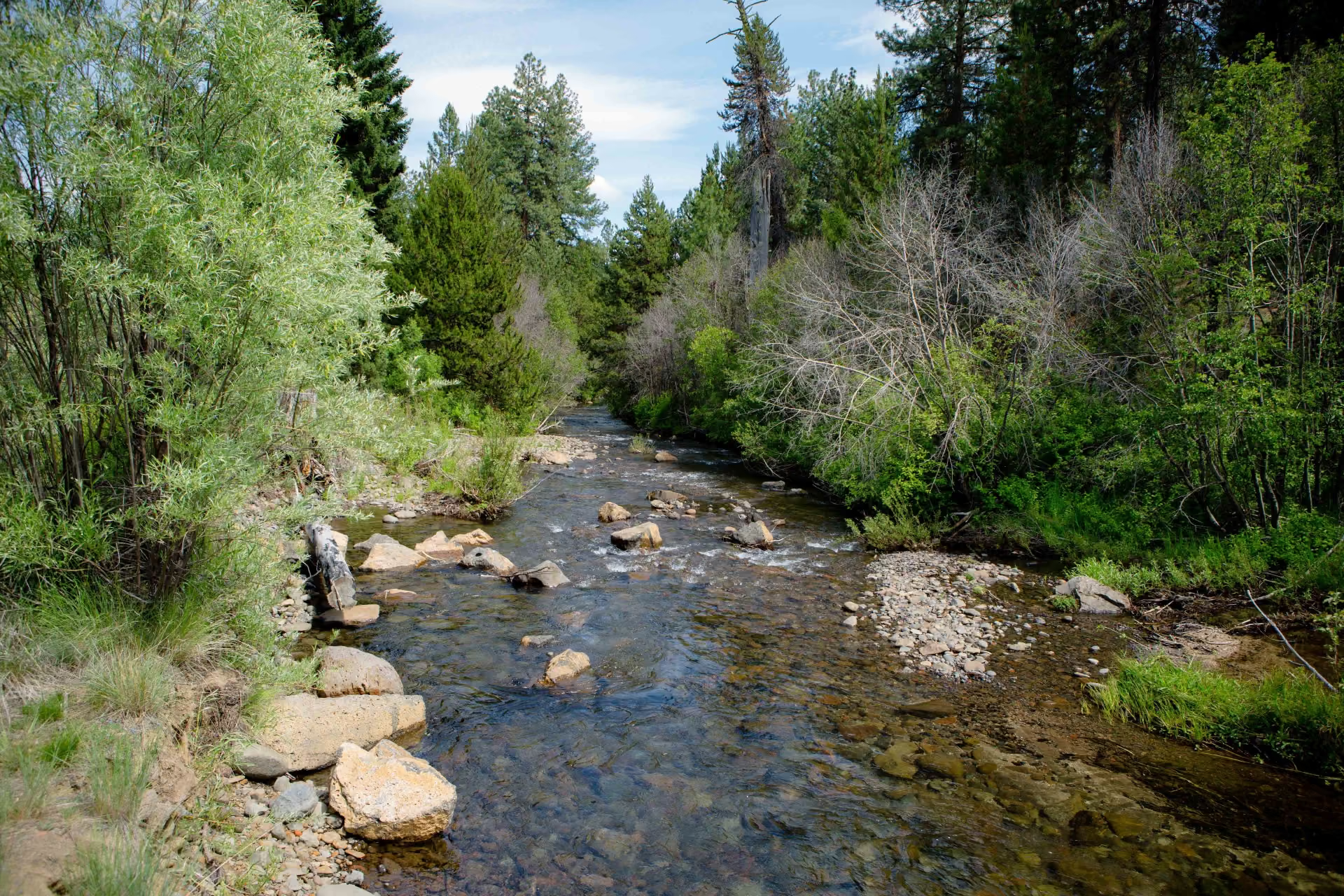
1992
Year-round flows returned to Tumalo Creek for the first time in over a century - proving that streamflow can be restored through voluntary partnerships.
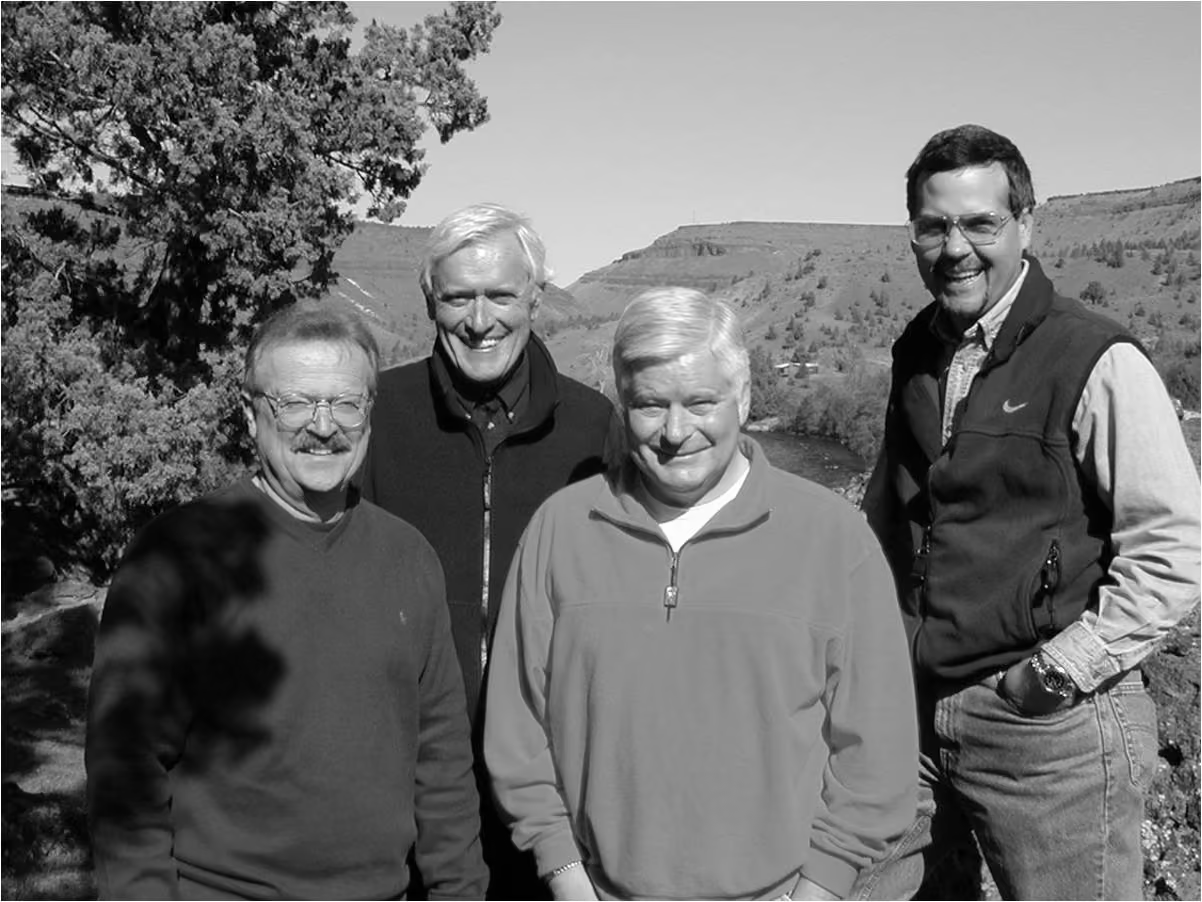
1996
Deschutes Resources Conservancy is founded, bringing together diverse perspectives with a bold vision to restore streamflow and improve water quality across the Deschutes Basin.
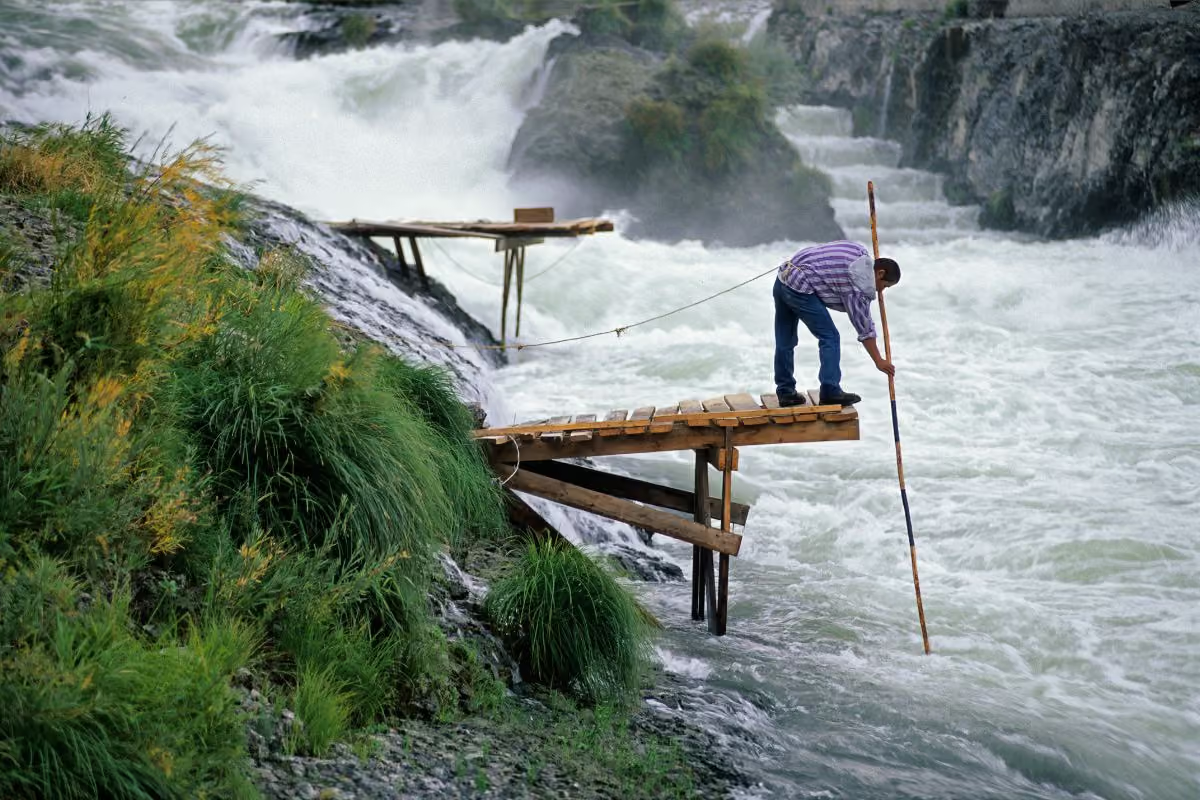
1997
The Confederated Tribes of Warm Springs settle their water rights dating from time immemorial, making the Tribes the most senior water rights holders in the basin.
1999
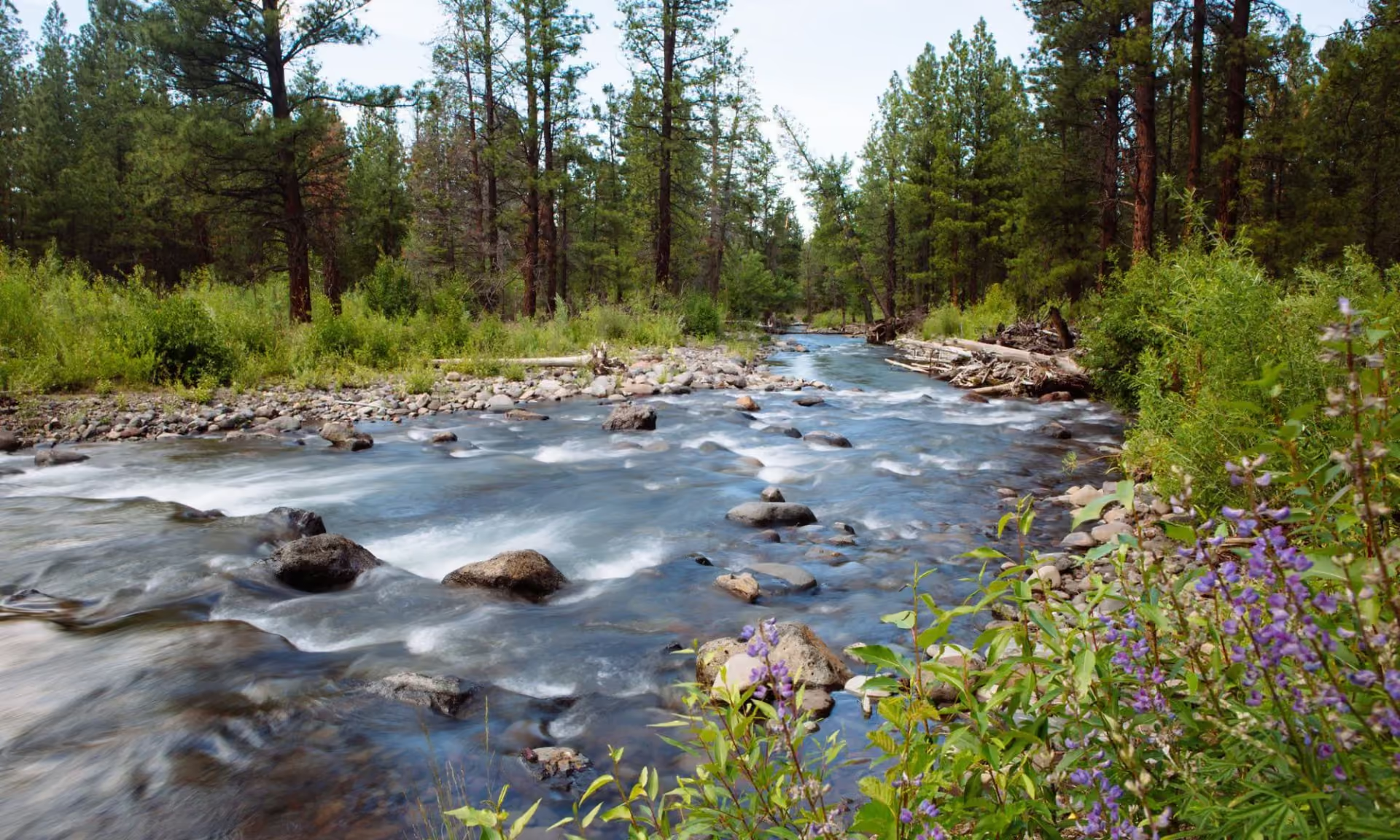
Year-round flows return to Whychus Creek for the first time in roughly 100 years.
2005
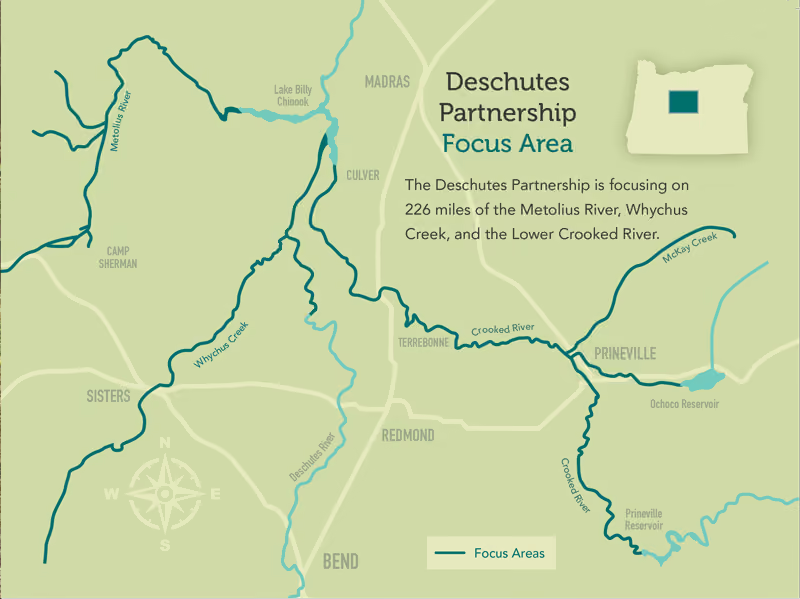
Deschutes River Conservancy and other organizations formally unite as the Deschutes Partnership to restore stream conditions to support salmon and steelhead reintroducation.
2007
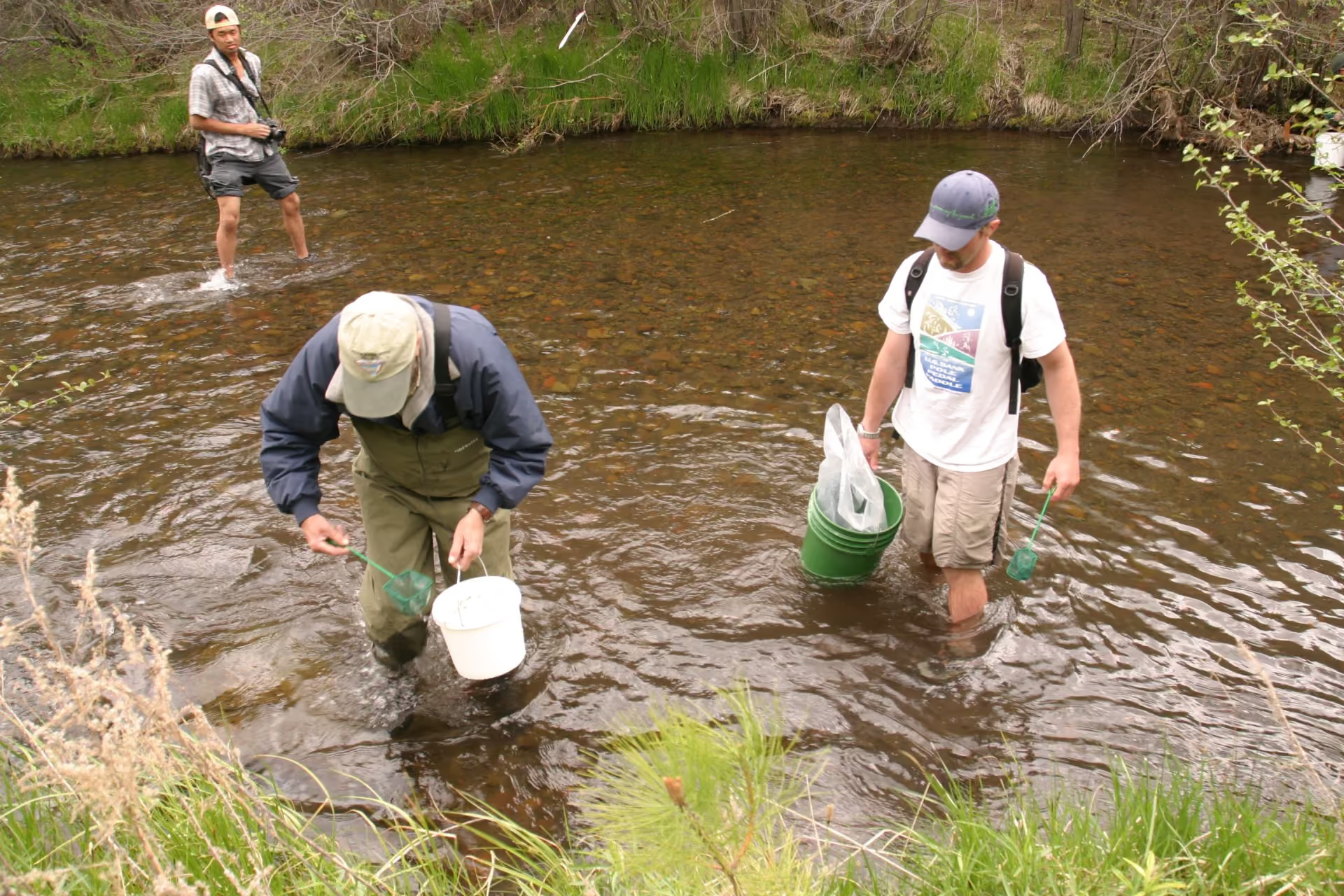
Salmon and steelhead reintroduced to the Upper Deschutes Basin for the first time in over 40 years.
2009
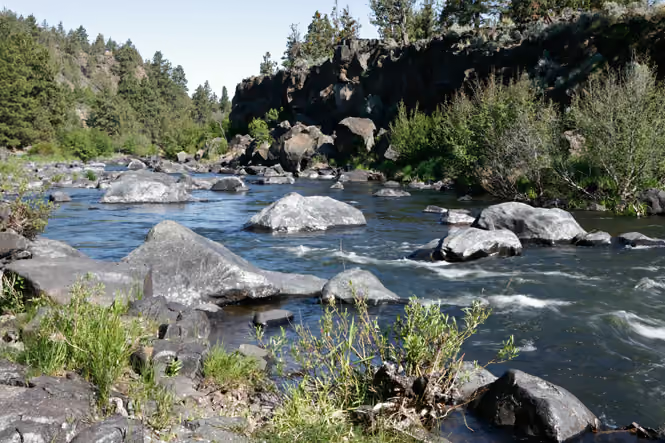
Middle Deschutes restored flows surpass 125 cfs, a 76% increase since the formation of DRC.
2014
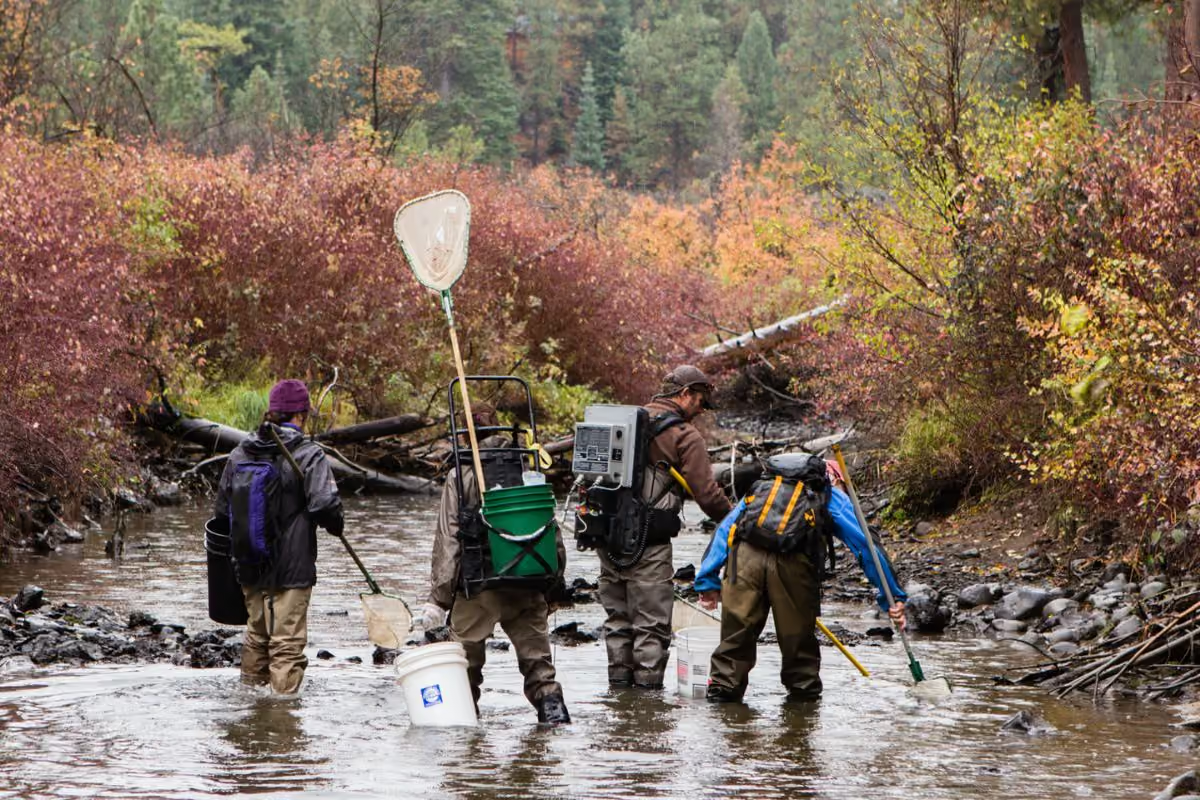
The first annual community volunteer effort rescues thousands of stranded fish, increasing awareness of river flow issues.
Crooked River flow restoration efforts result in a five-fold increase in streamflow where the river runs through Smith Rock State Park.
2016
Minimum winter flows in the Upper Deschutes increase from 20 cfs to 100 cfs.
2020
The Deschutes Basin Habitat Conservation Plan sets 30-year legally binding targets to increase flows in key tributaries, to protect endangered species.
2025
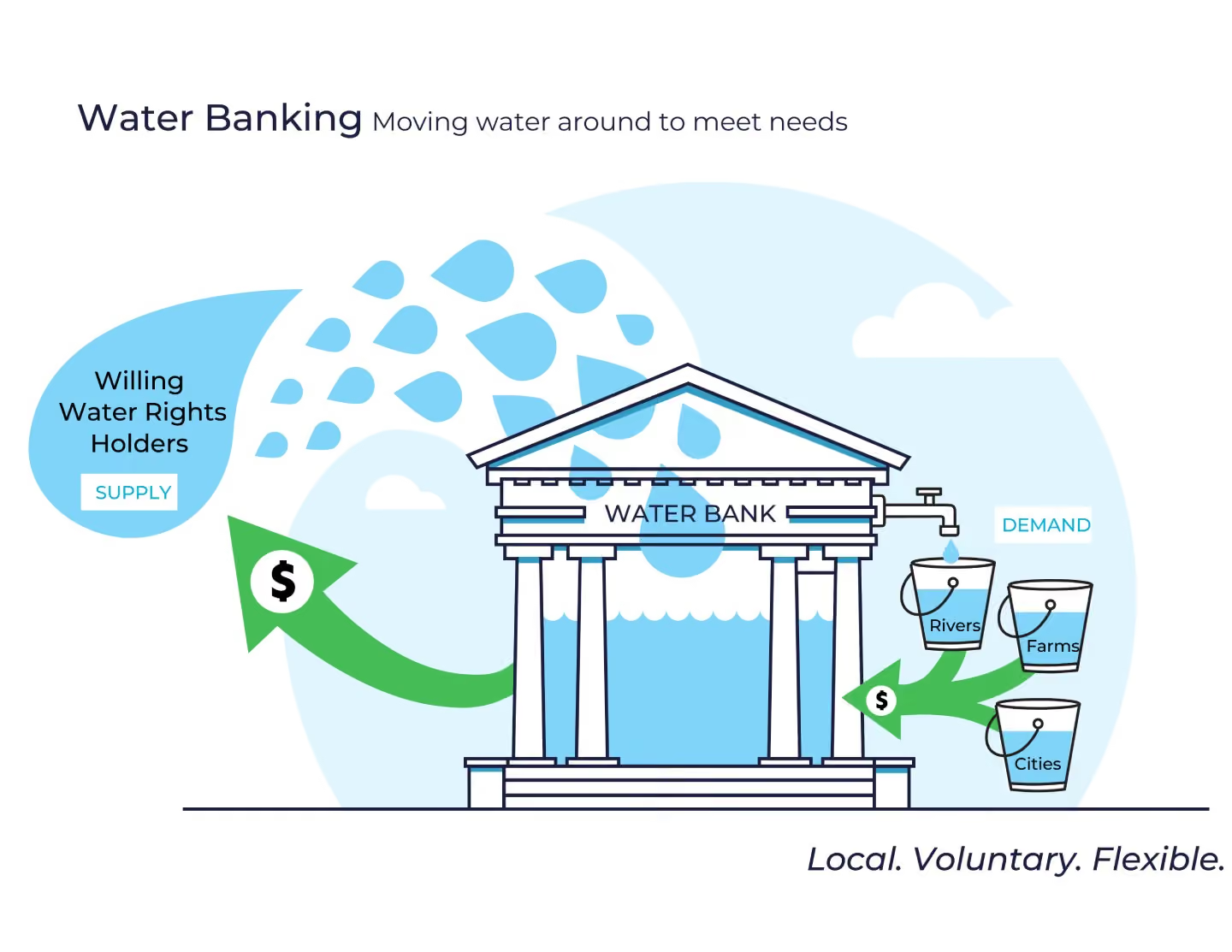
Deschutes River Conservancy supported HB 3806 paves the way for more flexible water management - a tool for adapting to drought and climate change.
2026
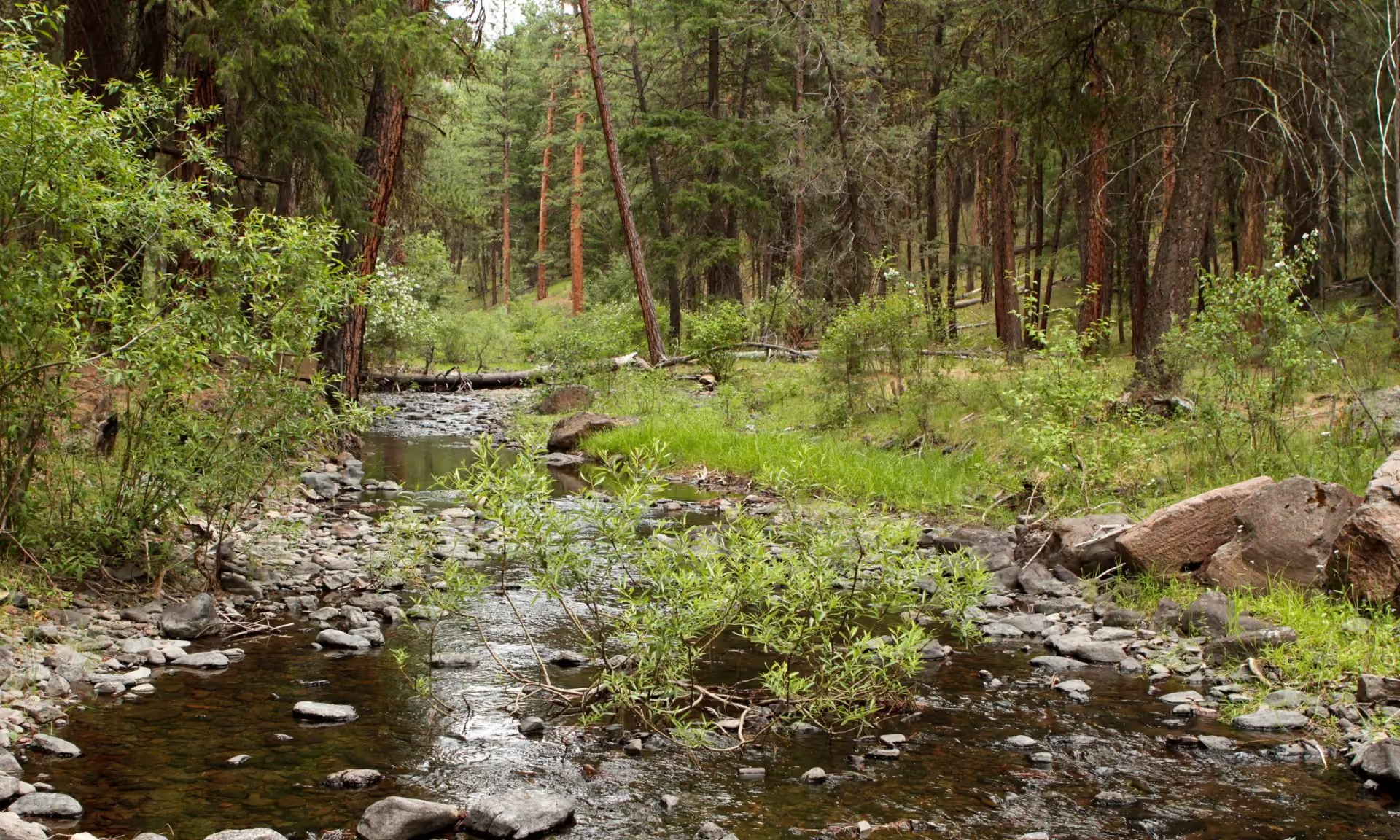
McKay Creek project construction underway, restoring natural flows to a critical steelhead tributary for 2027.